
SEO vs AEO vs GEO: The New Visibility Pyramid for UAE Brands
The digital landscape is shifting aggressively. Ranking #1 on Google is no longer enough to secure revenue. Users are moving from "searching" to "asking," forcing brands to dominate traditional search, voice assistants, and AI language models simultaneously. Here is your ultimate guide to mastering SEO, Answer Engine Optimization (AEO), and Generative Engine Optimization (GEO).
What you will master
- The fundamental differences between traditional search, direct answers, and AI summaries.
- Why skipping AEO and GEO guarantees your competitors will steal your zero-click traffic.
- The 60/25/15 resource allocation framework for e-commerce, B2B, and local businesses.
- Technical prerequisites: Schema markup, Core Web Vitals, and content structure for AI crawlers.
- New metrics for the AI era: Answer Visibility Rate, Zero-Click Engagement, and Snippet Wins.

The Shift: From Searching to Asking
Users still use traditional search, but a massive segment of digital traffic has shifted to conversational queries[cite: 1, 2]. They ask smart speakers, type complex questions into ChatGPT or Gemini, and expect a single, synthesized answer instead of ten blue links[cite: 5, 3, 4, 2]. Generative engines summarize data and selectively show sources, often satisfying the user's query without ever requiring a click.
This fragments user intent. A consumer might use Google Maps to find a local store (SEO), ask their voice assistant for the store's hours (AEO), and consult an LLM to compare the store's products against a competitor (GEO). You need to be visible at every touchpoint.
Layer 1: SEO (Search Engine Optimization)
The foundation of digital discovery. SEO is about driving high-intent traffic via classic search rankings[cite: 5, 1].
The Primary Goal
Rank pages in SERPs and drive measurable organic clicks[cite: 1].
The Target Platforms
Google, Bing, and other traditional search engines[cite: 1, 2].
The Optimization Levers
Keyword mapping, deep content clusters, robust internal linking, and technical health[cite: 1, 2].
Without a fast-loading, easily crawlable website built on solid technical SEO, neither AEO nor GEO will surface your content reliably. SEO builds the initial topical authority required for search bots and AI models to index your existence.

Layer 2: AEO (Answer Engine Optimization)
AEO structures and words your content so "answer engines" (Featured Snippets, Voice Assistants, AI Overviews) can easily extract a direct answer and display your brand as the single source[cite: 3, 4, 5, 6]. Answer engines typically surface a single dominant answer, making AEO a winner-takes-most game[cite: 6, 4, 5].
| Element | Why it matters for AEO | Implementation Strategy |
|---|---|---|
| Content Format | Machines need to parse answers easily. | Use succinct, 40-60 word answer blocks directly beneath question-based H2/H3 headers[cite: 7, 8, 6]. |
| Schema Markup | Turns text into raw data for bots. | Deploy FAQPage, HowTo, and Product schema rigorously[cite: 4, 6]. E-commerce sites are 124% more likely to win rich results with schema[cite: 3]. |
| Direct Tone | Voice assistants read answers aloud. | Avoid fluff. Answer "Is this perfume original?" with an immediate "Yes," followed by certification details. |
For e-commerce pages, AEO reduces pre-purchase friction by answering common questions (shipping, sizing, compatibility) directly in the SERP[cite: 8, 6, 7].
Layer 3: GEO (Generative Engine Optimization)
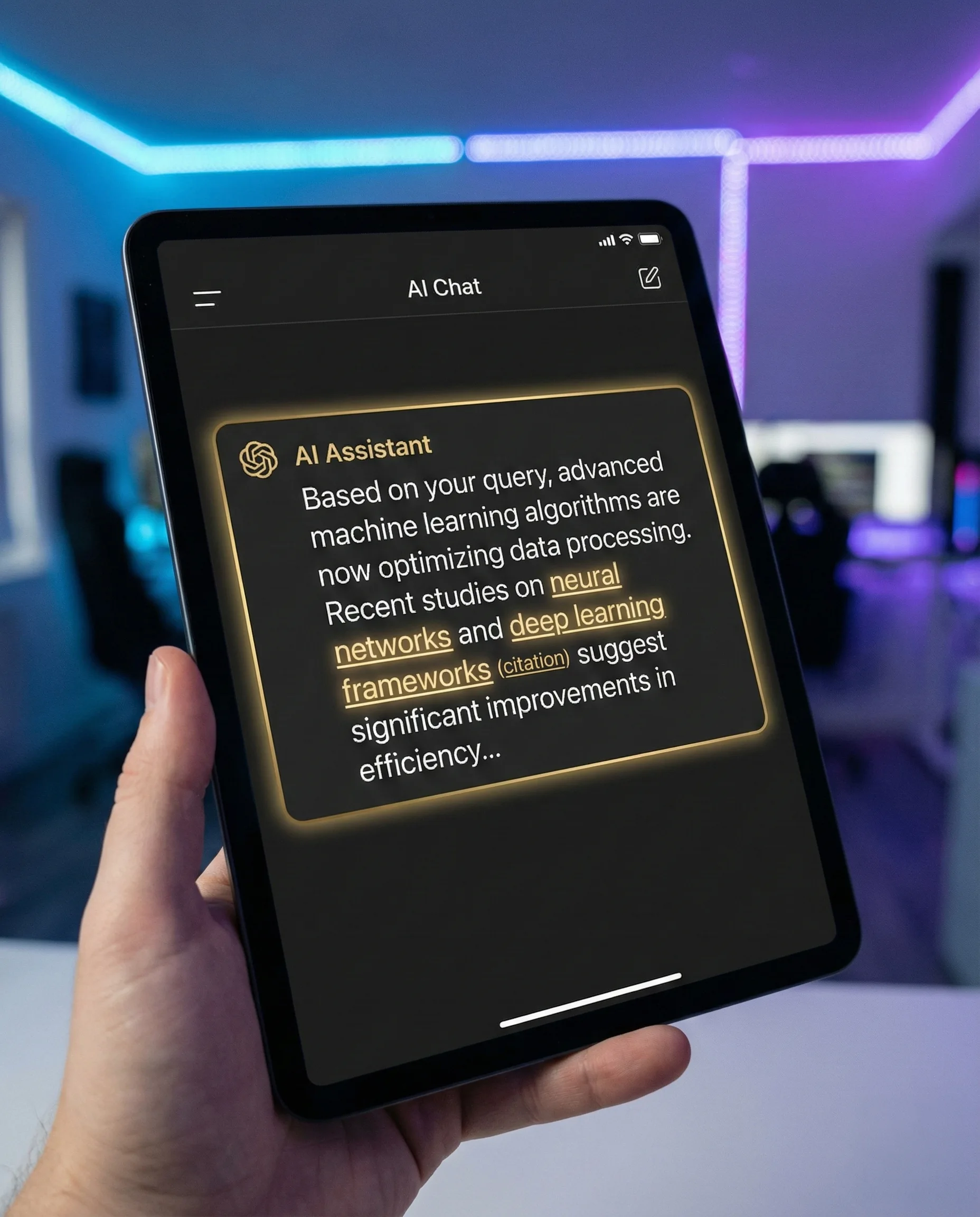
GEO shapes your content and digital footprint so Large Language Models (LLMs) like ChatGPT, Perplexity, and Gemini recognize, cite, and summarize you correctly inside AI-generated responses[cite: 7, 8, 9, 1].
Generative engines don't rank pages; they synthesize entities based on factual precision and consistency across the web.
Entity Building
Establish brand recognition through authoritative links, PR, and consistent brand signals across multiple trusted platforms[cite: 8, 7, 9].
Information Gain
LLMs favor unique data. Publish original research, deep semantic explanations, and fresh statistics[cite: 7, 9, 2].
Structured Product Feeds
For e-com, real-time dynamic schema APIs ensure AI answers feature accurate pricing and stock[cite: 4].
The 60/25/15 Priority Framework
You cannot tackle all three layers simultaneously with equal weight. Industry experts recommend a baseline resource allocation of roughly 60% SEO, 25% AEO, and 15% GEO[cite: 3, 4, 1]. However, this shifts based on your business model[cite: 1, 2, 3, 4]:
| Business Type | Execution Order | Strategic Reasoning |
|---|---|---|
| E-commerce | SEO → AEO → GEO | Product discovery relies heavily on classic search; AEO handles FAQs; GEO acts as a bonus for AI shopping flows[cite: 1, 2]. |
| B2B / High-Ticket | SEO + GEO → AEO | Requires deep authority and presence in complex AI research flows (GEO) alongside classic SEO[cite: 1, 5, 8]. |
| Local Business | SEO → AEO → GEO | Local packs and Google Business Profiles dominate. AEO captures "hours and directions," building into local AI answers[cite: 1, 7]. |
| Info / Publishers | GEO → SEO → AEO | Value lies entirely in being cited in AI answers[cite: 1, 5, 6]. |
Technical Requirements for AI Visibility
Core Web Vitals & Speed
Fast Core Web Vitals ensure answer engines prioritize your pages[cite: 2, 1]. If your site is slow, a voice assistant won't wait to fetch your data.
- LCP: Under 2.5 seconds[cite: 1].
- FID: Under 100 milliseconds[cite: 1].
- CLS: Under 0.1[cite: 1].
- Use CDNs, compress images, and utilize Server-Side Rendering (SSR) so AI crawlers can access content without heavy JavaScript dependencies[cite: 2, 1].
Schema & Architecture
Make your content machine-readable. AI crawlers pull 40-60 word passages, so semantic HTML is vital[cite: 2, 3, 1].
- Product Schema: Include name, description, price, availability, images, and AggregateRating[cite: 3, 1].
- Local Nuance: For UAE niches like perfume or jewelry, add localized attributes like "halal certification," scent notes, or "gold karat" purity[cite: 1, 3].
- Site Structure: Interlink FAQs and guides directly from Product Detail Pages to build topical authority context[cite: 1].
Tracking KPIs in a Zero-Click World
If your marketing metrics only track website clicks, you will fail to capture top-of-funnel brand awareness generated by AEO and GEO.
Snippet / Share of Voice
The % of target queries where your site wins Featured Snippets, PAA, or AI Overviews (Target: 20-40% for top categories)[cite: 2, 3, 1].
Zero-Click Engagement
Analyze GSC: high impressions combined with low CTRs often signal successful snippet/answer box dominance[cite: 3].
Answer Visibility Rate (AVR)
Frequency your brand appears in voice/AI answers for high-intent queries[cite: 1]. Requires regular manual prompt auditing[cite: 1, 6].
Industry Research & Citations
The frameworks, metrics, and case studies detailed in this guide are synthesized from leading AI search platforms, technical SEO documentation, and global e-commerce performance data. At Titan Digital Marketing, we take this foundational research and engineer it specifically for the UAE market. Here is a transparent look at the core data sources driving our strategies:
1. AEO Performance & Measurement Metrics
Research dictates moving away from pure click-tracking to zero-click engagement metrics.
Success in AEO is tracked via Snippet/Share of Voice, aiming for 20-40% of target queries winning featured snippets or AI Overviews[cite: 5]. Additionally, tracking the Answer Visibility Rate (AVR) determines how frequently a brand appears in voice or AI answers for high-intent questions[cite: 6]. This requires utilizing Google Search Console for impressions versus clicks, and GA4 custom segments for LLM referral traffic[cite: 7, 10].
2. Technical Foundations for AI Crawlers
Strict technical thresholds required by answer engines.
Fast Core Web Vitals are critical for answer engines to prioritize pages for voice results, specifically requiring a Largest Contentful Paint (LCP) under 2.5s and First Input Delay (FID) under 100ms[cite: 31, 32]. Furthermore, page structure must be optimized for extraction, as answer engines typically pull concise 40-60 word passages[cite: 42].
3. The Schema Markup Multiplier
Data on how structured markup directly influences rich result visibility.
Implementing schema is non-negotiable, as e-commerce sites utilizing it are 124% more likely to win rich results[cite: 36]. Vital implementations include Product schema (capturing price, availability, and AggregateRating) on product pages, and FAQPage schema for question blocks concerning shipping and compatibility[cite: 37, 38].
4. Commense AI: GEO E-Commerce Case Study
Real-world impact of entity building for retail brands.
A specialty coffee e-tailer integrated GEO and AEO, moving from zero AI visibility to top-3 citations across ChatGPT, Perplexity, and Gemini[cite: 64, 65]. Over a 6-week period, this strategy yielded a 400% growth in visibility and an 85% lift in organic traffic[cite: 65].
5. EcomVA: Pre-Launch AEO Strategy Case Study
Using question-based content to drive local discovery.
EcomVA optimized a gym equipment e-commerce site before its launch by layering technical SEO with AEO-focused FAQ sections targeting "gym pricing" and "membership expectations"[cite: 62, 63]. The result was capturing FAQ snippets in "People Also Ask" boxes and driving higher local visibility and form submissions[cite: 63].
6. GeoRankAI: Compounded Traffic Case Study
The multiplier effect of combining all three visibility layers.
An air gun retailer combined traditional keyword rankings (SEO), "People Also Ask" wins (AEO), and AI referral traffic (GEO) through structured data[cite: 66, 67]. Within one month, this integrated approach resulted in a 29% overall traffic increase and a 20.55% boost in ranking keywords[cite: 67].
7. The 60/25/15 Priority Framework
Industry consensus on resource allocation.
To balance resources effectively, marketers are advised to dedicate roughly 60% of their effort to the SEO foundation (crawlability and UX), 25% to AEO (snippets and schema), and 15% to GEO (LLM-friendly content and citations)[cite: 121, 122, 123, 124]. SEO remains the priority because it drives the most predictable, measurable traffic, establishing the base for AEO and GEO[cite: 125].
8. Strategic Shifts by Business Model
How to adapt the baseline framework per industry.
The priority matrix shifts based on the business type. E-commerce sites must prioritize SEO first for product discovery, followed by AEO for FAQs, using GEO as a brand bonus[cite: 128]. Conversely, informational or content sites should prioritize GEO first to ensure they are cited in AI answers, followed by SEO and AEO[cite: 128].
9. The Evolution of User Intent & AI Summaries
The fundamental reason traditional digital marketing is changing.
User behavior has shifted; users now type full questions expecting a single concise answer rather than 10 blue links[cite: 169, 170]. Because AI summaries are becoming the default first impression, generative engines may completely satisfy a query without sending a click to your site unless you are properly optimized to be cited in those summaries[cite: 173, 174].
FAQs: Navigating SEO, AEO, and GEO
What is the main difference between SEO and AEO?
SEO aims to rank a webpage in search results to drive clicks[cite: 1]. AEO structures content to provide direct, extractable answers for voice assistants and featured snippets, aiming to be the single source of truth, often without requiring a click[cite: 4, 5, 6].
Why is GEO important if I already rank #1 on Google?
You can hold position 1 in Google yet be completely invisible in AI Overviews and LLM chats (like ChatGPT or Gemini) if those models do not recognize or trust your brand entity. GEO ensures AI systems cite and summarize you correctly[cite: 7, 8, 9, 1].
Should I abandon traditional SEO for AI optimization?
No. SEO remains the absolute foundation[cite: 5, 1]. Without crawlable, fast, and technically sound pages built via SEO, AEO and GEO strategies will fail to surface your content reliably[cite: 1, 5].
How do I optimize a product page for AEO?
Use question-based headings (e.g., "How long does it last?"), provide concise 40-60 word answers, add FAQ sections, and rigorously implement Product and FAQPage schema markup[cite: 7, 8, 6].
What is the 60/25/15 rule?
It's a resource allocation framework recommending roughly 60% effort on traditional SEO, 25% on AEO, and 15% on GEO as a starting baseline, adaptable based on your business type[cite: 3, 4, 1].
How do I measure success if users aren't clicking my website?
Track your Snippet/Share of Voice, Answer Visibility Rate (AVR), and Zero-Click Engagement (monitoring high impressions vs. low clicks in Google Search Console)[cite: 2, 3, 1].
Why does page speed matter for AI search?
Fast Core Web Vitals ensure answer engines prioritize your pages for real-time snippets and voice results[cite: 2, 1]. A slow site will be bypassed by voice assistants seeking immediate data.