
AI Front Door Products: Agentic Commerce for Premium Brands
Get your business into the AI answer, one small product at a time.
Agentic commerce lets people buy right inside ChatGPT, Gemini and Google AI Mode. Shoppers happily let an AI buy a $20 item. Very few let it buy a $600 suit. So we design the small front door product and the portfolio structure that get premium brands into AI answers, then turn that first order into a real customer.
White-label available for agencies. Clients in Canada, the US, Hong Kong and the UAE.
An AI front door product is a low-cost item, usually under $50, that a premium business sells through AI checkout in ChatGPT, Gemini or Google AI Mode. Its job is brand recognition and a first customer record, which opens cross-sell and upsell to the higher-priced products shoppers still prefer to see before they buy.
An agentic commerce strategy starts with one honest fact: people let AI buy small things, not big ones. Agentic commerce means buying through an AI assistant that completes the checkout for you, and it now runs inside Google AI Mode, Gemini and ChatGPT. Google built its checkout on the Universal Commerce Protocol (UCP), an open standard that connects AI agents to a retailer's products and payments. OpenAI uses its own Agentic Commerce Protocol. The research behind both points the same way, so an AI front door product works with the price line instead of fighting it. Below, we show where that line sits, what we build with you, and why the goal is a customer, not a margin.
Where the AI Checkout Price Line Sits
Four large 2026 studies asked shoppers how much they would let an AI spend. The answers cluster tightly, and they explain why premium brands feel locked out of AI checkout.
| Study | Who they asked | What they found |
|---|---|---|
| Product.ai, Trust in AI Commerce Report | 1,463 US online shoppers | Most common cap: under $25 (42%). Fewer than 1 in 20 trust AI above $500 |
| Global Payments | 8,027 consumers in seven markets | 69% would let an agent spend up to $100 on groceries or clothing; electronics drop to 58% |
| Checkout.com | Consumers in six markets | Average of 177 pounds per purchase without extra approval |
| Visa, Global Digital Shopping Index | 5,241 consumers | For a $300 purchase, 52% want no AI involvement; only 6% accept a fully automatic purchase |
Our read: shoppers buy without a second look up to roughly $50 to $100. Above about $250, most of them want to approve the purchase themselves or keep AI out of it entirely. A tailored suit, a fine ring or a new windshield sits well past that line.
The UAE stands out in Visa's 2026 index. Only 33% of UAE consumers want no AI involvement in a $300 purchase, and just 9% would never allow autonomous ordering, against 31% in the US. Visa calls the UAE "the most viable early market for the full agentic payment journey."
What Shoppers Say vs What They Do
Surveys capture what people think they will do. Order data shows what they buy. The gap between the two decides what kind of front door product works.
Cheap alone doesn't win AI checkout
Forter's order data from July 23 to October 29, 2026 put the average agentic order at $227, and only 27% of orders came in at $50 or less. Walmart saw something similar inside ChatGPT: small-basket and shipping fees hurt its low-priced items, and shoppers worried about several separate boxes arriving (WIRED, via PPC Land).
Our read on this: people buy inside the chat when the AI has done real research work for them. Toilet paper already has Amazon and the grocery app. So the front door product needs more than a low price. It has to be useful, worth comparing, light to ship, and clearly yours.
Buys the small product inside the AI
This shopper never sees your website. They see your product in the answer, buy it in the chat, and meet your brand when the box arrives. The package and the follow-up carry the relationship from there.
Uses AI to research, then clicks through
This shopper wants to look before buying. They land on your product page and see the full range. Walmart's click-out traffic converted three times better than in-chat checkout, so this path deserves a page built to cross-sell.
What We Build With You
We don't sell you an online store. We help you design the small product, or the product structure, that gets your business into AI answers and brings customers to you.
The front door product
Something under $50, easy to ship, and clearly tied to what you really sell. We test each idea against margin, shipping cost and how naturally it leads to your main offer.
Your product portfolio structure
How the small product, your core offer and your premium options connect, in names, categories and product data, so AI platforms understand they all come from one business.
The AI visibility layer
Product feeds, Google Merchant Center, and the content and signals that help ChatGPT and Google recommend you. It builds on the same principles as our SEO, AEO and GEO visibility pyramid.
What happens next
The packaging insert, the follow-up message, the refill or upgrade offer. We plan the second sale before the first order ever arrives.
Front door product ideas by sector
| Business | Front door product | Where it leads |
|---|---|---|
| Windshield and auto glass | Wiper blades, rain repellent, a chip repair kit | Windshield replacement |
| Custom tailor | A fabric swatch kit, a pocket square in the house fabric | Made-to-measure suits |
| Jeweller | A ring sizer, a jewellery cleaning kit | Engagement rings and fine jewellery |
| Landscaping | A seed or fertiliser kit | Garden design and maintenance |
Brand Recognition First, Cross-Sell Second
Let's be honest: the small product isn't there to make you rich. Some of them barely break even, and that's fine. It has two jobs.
Brand recognition
It puts your name in front of people inside the AI answer, and then in their hands. Every time they use the product, they see who made it.
Cross-sell and upsell
Every order gives you a real customer, with a name and an address. Shoppers who click through see your full range. Either way, you have a relationship to build on, instead of a visit you'll never see again.
The cross-sell happens after checkout, not on your site
An agentic buyer never visits your product page, so on-site cross-sell can't reach them. What you get instead is the order itself. On Google's Universal Commerce Protocol, the retailer stays the seller of record and keeps the customer data (Google's UCP documentation, via PPC Land).
That moves the second sale to three places: the package, the confirmation and follow-up message, and a refill or subscription offer. Subscriptions already sit among the fastest-growing categories people trust AI with at the $50 level, rising from 27% to 69% in a year (Global Payments).
We price the front door product as a way to win customers, not as a profit centre. You'll know the unit numbers, shipping included, before we start.
Why Now
AI checkout moved from experiment to default setting in 2026. The businesses that set this up early will have the AI's attention before their competitors notice the door.
Checkout is spreading fast
A Buy button has appeared in regular US search results since May 2026 (PPC Land). Canada went live in AI Mode and Gemini on November 4, 2026 (Search Engine Journal).
Switching it on gets easier
Google's UCP integration hub in Merchant Center runs in US early access, with Canada and Australia next. For UCP-ready Shopify stores, Google already switches checkout on by default (Search Engine Roundtable).
The most open market
Visa's 2026 index found UAE shoppers the most open to AI-assisted payment of any market it studied. Checkout hasn't reached the UAE yet, so this is the time to prepare products and feeds.
Who This Service Is For
Any business whose best products sit above the AI comfort zone, and any agency that serves them.
High-ticket businesses
Tailors, jewellers, auto services, home improvement, clinics and specialist retailers whose customers research with AI but buy after seeing, touching or trying.
Owners who want AI visibility
Small businesses that want to show up in AI searches without rebuilding their whole website.
Marketing agencies
Agencies that want to offer this to their own clients. We work white-label, so your clients stay yours.
How It Works
Five steps, from the first conversation to a customer who comes back for the expensive product.
Discovery call
We learn what you sell, who buys it, what they ask before buying, and where your customers already use AI to research.
Product and portfolio design
We shortlist front door product ideas, test each one against shipping cost and margin, and map how it leads to your core and premium offers.
Setup
We prepare product feeds, Google Merchant Center listings, product pages and the AI visibility content that helps ChatGPT and Google connect the small product to your main business.
Follow-up design
We plan the packaging insert, the confirmation and follow-up messages, and the refill or upgrade offer, within consent rules such as Canada's anti-spam law (CASL) and the UAE Personal Data Protection Law.
Measure and adjust
We track AI mentions, clicks, orders and repeat purchases, and refine the product and offers as the platforms change.
What This Isn't, and the Risks We Plan Around
This isn't a shortcut to selling your expensive products through a chatbot. Most people still want to see, touch or try a premium item before they buy it. That's exactly why we start small, and why we plan for three risks from day one.
Unit economics
A $15 product with $12 shipping loses money on every order. We pick light, shippable products and agree the acquisition cost with you up front, so a loss is a choice, not a surprise.
The buyer forgets the brand
In the chat, people feel they "bought it on ChatGPT." Without the package and the follow-up, you've only sold wiper blades. That's why we design the second touch first.
Small sales don't rank big products
Selling a chip repair kit won't make ChatGPT name you for windshield replacement. The site and content must show the AI it's one business, which is where our SEO, GEO and AEO services come in.
Frequently Asked Questions
An AI front door product is a low-cost item, usually under $50, that a premium business sells through AI checkout in ChatGPT, Gemini or Google AI Mode. It ships easily, ties clearly to the main offer, and exists to win brand recognition and a first customer record rather than profit.
Shoppers rarely let an AI buy expensive items, but they accept small purchases. A product under $50 gives a premium brand a way into the AI answer and into the customer's hands. Titan Digital Marketing treats it as a customer acquisition cost: brand recognition first, then cross-sell and upsell to the higher-priced range.
Most surveys put the comfort zone between $50 and $100. In Product.ai's 2026 survey of 1,463 US shoppers, the most common cap was under $25, and fewer than 1 in 20 would trust AI with purchases over $500. Checkout.com found an average of 177 pounds per purchase without extra approval.
Usually not. A purchase completed inside an AI platform never touches your product pages. On Google's Universal Commerce Protocol the retailer stays the seller of record and keeps the customer data, so the cross-sell moves to packaging, follow-up messages and refill offers. Shoppers who click through instead see your full range on your site.
Not yet. Google's Universal Commerce Protocol checkout runs in the US, and it went live in Canada in AI Mode and Gemini on November 4, 2026. Visa's 2026 research found UAE shoppers the most open market for AI-assisted payment, so UAE brands can prepare their products and feeds now.
Yes. Titan Digital Marketing works white-label for agencies in Canada, the US and the UAE. We design the front door product, the portfolio structure, the feed setup and the follow-up sequence, and the agency keeps the client relationship under its own brand.
Find Your Front Door Product
Tell us what you sell, and we'll tell you what your front door product could be.
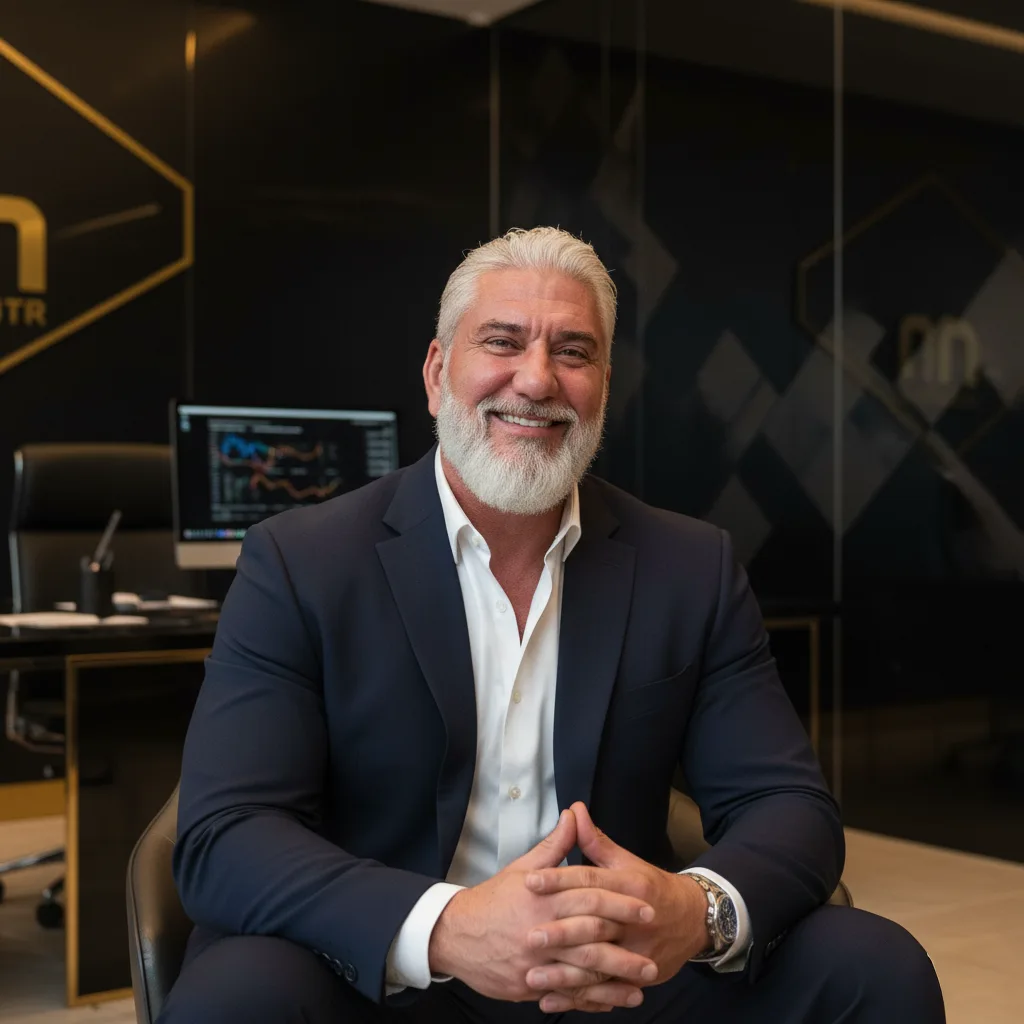
Kaan leads strategy at Titan Digital Marketing, an agency he has run since 2008 across Canada, the USA, Hong Kong, and the UAE. He writes The Philosophical Engine, a LinkedIn newsletter on how AI platforms change the way people find and buy, where the front door product idea first appeared. He teaches AI strategy at Istanbul Finance Institute and runs regular AI and marketing workshops at Innovation City, Ras Al Khaimah.