
Marketing for Artists in the UAE Starts With Work AI Can Read
The Artist Entity Framework for painters, art photographers, and sculptors
Artists own the most original content in any industry, yet AI platforms such as ChatGPT and Perplexity cannot cite an image they cannot read. This guide shows how naming, narrating, corroborating, and connecting a body of work turns originality into AI search visibility, using the 2026 launch of davidlearman.com as the case study.
Built from a live client rollout in Ras Al Khaimah, September 2026
Marketing for artists in the UAE works best when it makes original work readable to AI search. Painters, art photographers, and sculptors should name each body of work, describe it in plain language, secure mentions from galleries, festivals, and press, and connect the work to the questions buyers ask ChatGPT, Perplexity, and Google AI Overviews.
Marketing for artists in the UAE rarely receives serious attention from agencies, because painters, art photographers, and sculptors typically work with small budgets. That view misses the artist's structural advantage: original work that nobody else can produce. Generative engine optimization (GEO), the practice of shaping content so AI platforms such as ChatGPT, Perplexity, and Google AI Overviews cite it, rewards exactly that kind of first-party material.
Titan Digital developed the Artist Entity Framework while running the website launch, press release, and 30-day social rollout for David Learman, an award-winning art photographer based in Ras Al Khaimah. This guide explains why art marketing follows different rules, how the four stages of the framework work, and which buyers in the UAE art market the framework reaches. For the wider context on how AI answers differ from rankings, see the SEO, AEO, and GEO visibility pyramid for UAE brands.
Why Art Marketing Follows Different Rules
A painting or an edition print does not behave like a product. Its value depends on perceived legitimacy, scarcity, and trajectory, so standard growth tactics such as discounts and urgency damage an artist's market.
Why do discounts damage an artist's market?
Collectors treat price as a signal of an artist's trajectory. A discount lowers the value of every work that collectors already own, while a scheduled price increase tells the market that demand is rising. Art marketing manages perceived value rather than sales volume.
What is the legitimacy stack?
The legitimacy stack is the set of outside signals that confirm an artist's standing: exhibitions, awards, gallery representation, press coverage, and notable collections. Each signal makes the next sale easier and supports a higher price.
Why does sales language backfire for artists?
Collectors expect the vocabulary of curation. Phrases such as "inquire," "private viewing," and "available works" preserve the status of the work. Phrases such as "shop now" and "limited time offer" reduce the work to a commodity.
Why AI Search Favors Original Artists
AI platforms reward content that no other source duplicates. Artists hold that content in abundance, but most never translate it into a form an AI system can read, attribute, and cite.
Why do artists hold an edge in AI search?
An artist's subject matter, fieldwork, process, and exhibition history belong to that artist alone. A generic agency article competes with thousands of similar pages. An account of four years at a camel racing track in Ras Al Khaimah competes with no other page on the internet.
Why do most artists stay invisible to AI?
AI platforms read text far more reliably than they interpret images. A strong photograph with a one-word caption gives an AI system nothing to cite. Many artist statements add abstract art-world vocabulary that carries no retrievable meaning for a search system.
AI platforms weigh confirmation from independent sources more heavily than claims an artist publishes on a personal website. An entity, meaning a distinct person, place, or work that a search system recognizes and tracks, gains credibility when exhibition pages, festival archives, press coverage, and gallery listings describe it in the same words.
The Artist Entity Framework in Four Stages
Titan Digital built the Artist Entity Framework to turn an artist's originality into a recognizable entity across AI platforms. Each stage depends on the one before it, and consistent naming holds all four together.
Name every body of work
Give each series, collection, and edition tier a distinct, permanent name, and use that exact name everywhere. A named series such as the Al Hejin Collection becomes an entity that AI systems can recognize and attribute to its creator. Titles such as Untitled 7 or Landscape Series give AI platforms nothing distinct to retrieve.
Narrate the work in plain language
Translate the visual work into specific text: what the series documents, where and how the artist made it, how long the work took, and where it has shown. Replace abstract art-world vocabulary with facts. Plain, specific description gives AI platforms extractable sentences to cite.
Corroborate through independent sources
Place the same names and facts in sources the artist does not control: festival and exhibition archives, press coverage, gallery listings, award pages, and interviews. Add structured data, meaning schema markup that labels page content for search engines, using types such as Person and VisualArtwork.
Connect the work to buyer questions
Map each body of work to the questions buyers ask AI platforms. Interior designers ask about artwork for specific spaces, hospitality buyers ask about pieces for hotel lobbies, and corporate buyers ask about culturally meaningful gifts. Pages that answer these questions place the artist inside the buyer's consideration set.
Schema.org publishes the full VisualArtwork type definition, which covers artform, edition size, dimensions, and creator. Titan Digital implements these types as part of its SEO, GEO, and AEO services in the UAE.
Who Buys Art in the UAE and What They Ask
Buyers rarely search for an artist by name. Buyers search for a need: a piece for a room, a gift with meaning, a photographer for a subject. The Connect stage maps each body of work onto those needs.
The UAE art market combines major institutions such as Art Dubai, the Sharjah Art Foundation, and the Sharjah Xposure photography festival with a large hospitality and fit-out sector that buys artwork continuously. Private collectors in the UAE often value discretion and personal relationships over public gallery sales, which suits an inquiry-led model.
| Buyer group | Typical AI question | What the artist needs to publish |
|---|---|---|
| Private collectors | Which UAE photographers produce limited-edition heritage prints? | Edition sizes, provenance, and exhibition history |
| Interior designers and fit-out firms | Emirati-themed artwork for a villa majlis | Subject descriptions, print sizes, and guidance for specific spaces |
| Hotels and corporate offices | Local artists for a hotel lobby in Ras Al Khaimah | Large-format options, commission terms, and past placements |
| Corporate and diplomatic gifting | Culturally meaningful gift for a Gulf business partner | The story behind each work and presentation options |
| Curators and institutions | Photographers documenting UAE heritage and camel racing | A full body-of-work narrative, press coverage, and exhibition record |
David Learman: Art Photographer, Ras Al Khaimah
The davidlearman.com launch applied all four stages of the Artist Entity Framework to a real portfolio, a real back catalogue, and a real entity problem.
David Learman is an award-winning art photographer based in Ras Al Khaimah who began his career in the early 1980s photographing haute couture on European runways. His Al Hejin Collection grew out of four years of twice-weekly visits to the Al Sawan camel racing track, and Learman spent the first six months building trust with the racing community before taking a photograph. In 2023, Sharjah Xposure invited Learman as one of 74 photographers worldwide to exhibit, and World Art Dubai named him Best Photographer in 2024.
In the launch press release, Learman described a back catalogue that had "sat dormant on a personal hard drive." Titan Digital built davidlearman.com as a bilingual English and Arabic website, published the press release, and scheduled 30 days of social media content with written captions. The website names the collections, the captions narrate the work, the press release begins corroboration, and the collection structure connects the work to collector, designer, and gifting inquiries.
Signature Collection: five categories, any quantity
The Signature Collection covers Camels, Children, Nature, People, and Places, and buyers can order prints in any quantity. Open availability gives interior designers and gift buyers an accessible entry point and sustains inquiry volume.
What makes the Exclusive Collection different?
The Exclusive Collection offers limited-edition prints for serious collectors. Limited numbers protect scarcity, and the site sets the Exclusive Collection in a distinct typeface so visitors read the two tiers as different offers at a glance.
A web search for David Learman also returns a US-based professional with the same name. AI systems resolve that kind of name collision through consistent qualifiers and linked profiles. The fix pairs the name with "art photographer" and "Ras Al Khaimah" in every biography and adds Person schema with sameAs links on davidlearman.com. Titan Digital handles this work within its SEO services in Ras Al Khaimah.
Frequently Asked Questions
The most effective approach for marketing an artist in the UAE combines the traditional legitimacy stack of exhibitions, awards, and press with visibility in AI search. Artists should name every body of work, describe it in plain language, secure consistent mentions from festivals and galleries such as Sharjah Xposure and Art Dubai, and publish content that answers the questions collectors and interior designers ask AI platforms.
An artist appears in ChatGPT and Perplexity answers when AI systems can identify the artist as a distinct entity and find consistent text about the work across several sources. The artist needs named series, plain-language descriptions, structured data on the website, and matching mentions on exhibition pages, press coverage, and gallery listings. Independent sources carry more weight than the artist's own claims.
A named series gives AI platforms and search engines a specific entity to recognize, attribute, and cite. A title such as the Al Hejin Collection connects a body of work to its creator and its story. Generic titles such as Untitled or Landscape Series give search systems nothing distinct to retrieve, so the work stays invisible even when the images stand out.
An artist needs a personal website even with gallery representation, because the website serves as the primary source that AI platforms and search engines use to confirm who the artist is. Gallery pages change when exhibitions end or representation shifts. A permanent website with named collections, a consistent biography, and schema markup anchors the artist's entity across every other source.
An artist's website should use Person schema for the artist, with sameAs links to verified profiles, and VisualArtwork or CreativeWork schema for individual pieces and series. ExhibitionEvent schema suits exhibition records. Schema.org defines each type. This structured data labels the page content so search engines and AI platforms can connect each work to its creator without guessing.
Price disclosure depends on the market tier. Open-edition prints often benefit from visible pricing, which reduces friction for interior designers and gift buyers. Limited editions and unique works usually carry a price on request, which supports a private conversation with serious collectors. The David Learman website handles every inquiry by email, so each acquisition begins with a personal exchange.
No fixed timeline applies, because each AI platform refreshes its sources on a different schedule. Search engines typically index new pages within days to weeks, while AI answers shift as independent mentions accumulate over months. Consistent naming across the website, press releases, and social captions shortens the process, because every new mention reinforces the same entity instead of creating a variant.
Artists with small budgets compete well in AI search, because AI platforms reward original, first-party content more than advertising spend. An artist already owns a unique body of work, a process story, and an exhibition record that no competitor can copy. The main investment goes into clear naming, plain-language descriptions, and securing consistent mentions in independent sources.
The Artist Entity Framework is a four-stage method that Titan Digital developed for marketing visual artists in AI search. The stages are Name, Narrate, Corroborate, and Connect: name every body of work, describe it in plain language, confirm it through independent sources, and link it to the questions buyers ask. Titan Digital applied the framework to the 2026 launch of davidlearman.com.
Make Your Work Visible to AI Search
Titan Digital helps painters, art photographers, sculptors, and galleries across the UAE name, narrate, and position their work for AI platforms.
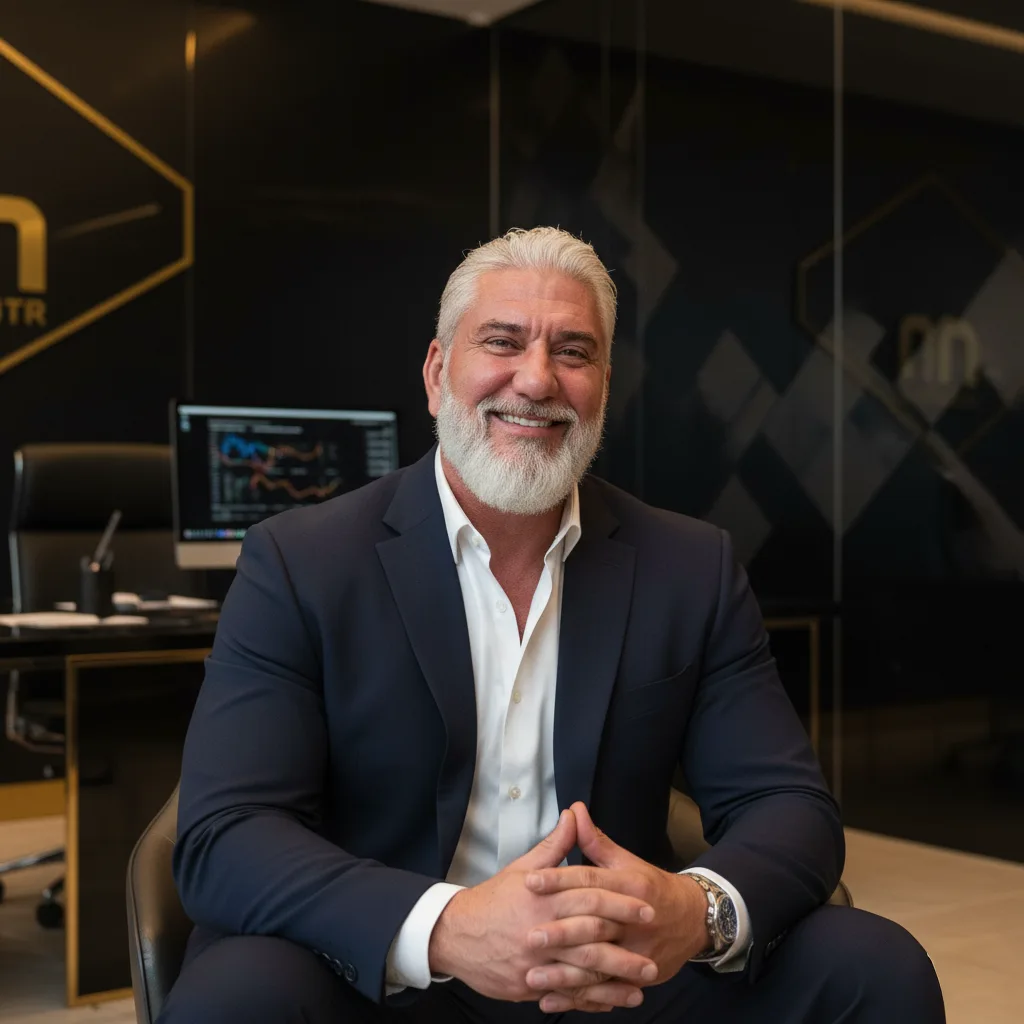
Kaan leads digital strategy at Titan Digital UAE, working with artists, galleries, and creative businesses across Dubai, Abu Dhabi, and the Northern Emirates. He has been running Titan Digital since 2008 across Canada, USA, Hong Kong, and the UAE.