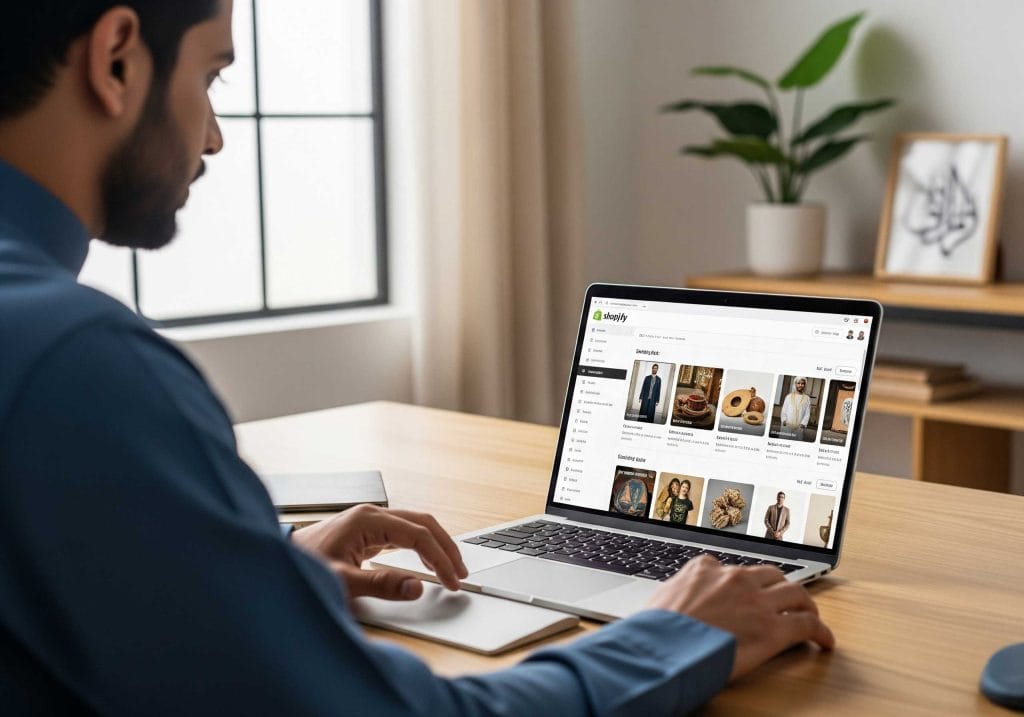
E-Commerce in the UAE: A Digital Goldmine in 2025
Thinking of starting an online store in Ras Al Khaimah, Dubai, or anywhere in the Emirates? There’s never been a better time.
The UAE’s e-commerce sector is booming, expected to reach $10 billion+ USD in annual sales. With a young, tech-savvy population, high mobile penetration, and growing trust in online shopping, launching an online store isn’t just viable; it’s a serious business opportunity.
But success doesn’t come from setting up a website and waiting for sales. It takes legal compliance, smart digital infrastructure, and a clear entrepreneurial roadmap.
Let Titan Digital UAE show you the way
The Legal Requirements: What You Need to Sell Online in the UAE
Selling products or services online in the UAE requires proper licensing and government compliance. Here’s a breakdown:
1. Choose Your Business Jurisdiction
There are three main options for setting up your e-commerce business:
- Mainland Company – Allows you to sell directly to the local market and work with government entities.
- Free Zone Company – Offers 100% foreign ownership, often faster setup, and reduced operating costs. Popular zones for e-commerce:
- Ras Al Khaimah Economic Zone (RAKEZ)
- Sharjah Media City (SHAMS)
- Dubai CommerCity
- Offshore – Not suitable for trading within the UAE but sometimes used for global sales.
Your choice impacts taxes, market access, ownership structure, and future expansion.
2. Get an E-Commerce License
You’ll need a commercial trade license with e-commerce activity codes from the relevant authority:
- RAKEZ or DED Ras Al Khaimah for Ras Al Khaimah
- Dubai DED or Dubai CommerCity for Dubai
- SHAMS for low-cost startup packages
Pro tip: Many free zones now offer “instant license” packages bundled with domain registration, workspace, and payment gateway integrations.
3. Register a Trade Name & Domain
Register your business name with your licensing authority.
Then register a domain; we recommend a “.ae” extension for local SEO and trust. You can buy domains via platforms like aeServer.
4. Apply for VAT if Needed
If your revenue exceeds AED 375,000/year, you must register for VAT with the Federal Tax Authority. This includes online businesses.
5. Know Consumer Protection Laws
You must comply with Federal Law No. 15 of 2020 and its executive regulations from 2023:
- Transparent product info
- Clear refund and return policies
- Secure transactions
- Protection of customer data
Titan Digital UAE helps e-commerce businesses write privacy policies, terms, and returns policies that are legally compliant.
The Technical Stack: What Your Online Store Needs to Run
Your legal paperwork sets the foundation. But the engine of your store is built with tech tools and digital infrastructure. Here’s what you’ll need:
1. A Scalable E-Commerce Platform
We recommend:
- Shopify (easy to manage, great for fast startups)
- WooCommerce (more flexible, ideal for WordPress users)
Both support bilingual content (English/Arabic), mobile responsiveness, and local payment gateways.
2. A Professional, SEO-Friendly Website
Features to include:
- Clean, fast, mobile-optimized design
- Clear product pages with titles, images, and descriptions
- Secure checkout (SSL encryption)
- Schema markup for rich snippets
- Multilingual support for regional reach
Don’t DIY this. Let us build you a high-converting store with our eCommerce Website Design Services.
3. Local Payment Gateway Integration
Top options in the UAE include:
- Telr
- PayTabs
- Checkout.com
- Stripe UAE (limited availability)
Ensure the gateway supports multi-currency payments, recurring billing (if needed), and COD if you’re targeting local customers.
4. Logistics, Inventory & Fulfillment
You’ll need:
- A reliable delivery partner (e.g. Aramex, Fetchr, Shipa Delivery)
- Inventory management system
- Return process and warehouse handling, if applicable
Bonus: Some free zones (like RAKEZ and CommerCity) offer logistics packages for e-commerce businesses.
The Entrepreneurial Side: What It Really Takes to Succeed
You’ve ticked the legal boxes. Your store is live. Now what?
Here’s what separates hobbyist stores from thriving e-commerce brands in the UAE:
1. Understand Your Niche
Don’t try to sell everything. Focus on a specific audience or product category, such as:
- Modest fashion
- Organic skincare
- Home décor
- Eco-friendly gifts
- Kids’ educational toys
- Halal cosmetics
- UAE-specific print-on-demand gifts
Niche = faster traction, lower ad spend, higher brand loyalty.
2. Build Trust from Day 1
- Have an “About Us” page with your story
- Show real photos of your products
- Add reviews and ratings
- Offer WhatsApp chat and phone support
Trust = conversions.
3. Invest in Local Digital Marketing
This includes:
- SEO targeting Ras Al Khaimah, Dubai, etc.
- Instagram & TikTok marketing with influencer partnerships
- Google Shopping Ads
- Email marketing for retention and remarketing
- Local blog content for authority and backlinks
Titan Digital UAE offers done-for-you marketing to help you scale.
4. Automate & Optimize Constantly
Successful online stores run like clockwork. Automate:
- Order confirmations
- Inventory alerts
- Abandoned cart emails
- Retargeting ads
Then optimize everything: product copy, images, SEO, pricing, checkout process.
Starting an Online Store in the UAE Is Not a Side Hustle, It’s a Strategy
If you treat your e-commerce business like a real company with systems, marketing, branding, and compliance, the results can be life-changing.
At Titan Digital Marketing UAE, we help you every step of the way from business launch to website design, from content creation to scaling with SEO, ads, and automation.
Ready to Build Your Online Store?
Let us help you go from idea to income with a tailored, future-proof eCommerce strategy.
👉 Book a Free Consultation
👉 Explore Our eCommerce Website Services
👉 Or check out Our SEO Services
Frequently Asked Questions: Starting an Online Store in the UAE
1. Do I need a license to sell online in the UAE?
Yes. You must have an e-commerce license issued by the Department of Economic Development (DED) in your emirate, or from a free zone such as RAKEZ, SHAMS, or Dubai CommerCity. Selling without a license is not permitted.
2. What’s the best legal structure for an e-commerce business in the UAE?
You can choose:
- Mainland Company – full access to local markets.
- Free Zone Company – 100% foreign ownership, faster setup, tax incentives.
- Offshore Company – only for international trading, not local UAE sales.
3. How much does an e-commerce license cost in the UAE?
It depends on the emirate and free zone:
- RAKEZ: packages from ~AED 6,000–AED 12,000
- SHAMS: budget-friendly licenses starting around AED 5,750
- Dubai CommerCity: premium packages, usually higher cost
Costs vary based on visas, office requirements, and included services.
4. Can foreigners own 100% of an online business in the UAE?
Yes, if you register in a free zone. Mainland companies may require a local service agent, depending on the activity.
5. Do I need a .ae domain for my store?
It’s highly recommended. A .ae domain improves trust with local customers and boosts SEO in the UAE. You can register via platforms like aeServer.
6. What are the most popular e-commerce platforms in the UAE?
- Shopify: easy setup, good for startups.
- WooCommerce: flexible and integrates with WordPress.
- Magento / BigCommerce: for larger enterprises.
Both Shopify and WooCommerce support English + Arabic stores.
7. Which payment gateways work in the UAE?
Top choices:
- Telr
- PayTabs
- Checkout.com
- Stripe UAE (limited rollout)
Cash on Delivery (COD) is still widely used but declining.
8. Do I need to register for VAT as an online seller?
Yes, if annual revenue exceeds AED 375,000. Register with the Federal Tax Authority (FTA). Businesses earning between AED 187,500 and 375,000 may register voluntarily.
9. What laws govern e-commerce in the UAE?
- Federal Law No. 15 of 2020 (Consumer Protection Law)
- Data protection and privacy regulations (2023 updates)
You must provide clear product info, refund/return policies, and protect customer data.
10. What logistics partners are commonly used in UAE e-commerce?
- Aramex
- Fetchr
- Shipa Delivery
- Emirates Post
Some free zones also offer bundled warehousing and delivery solutions.
11. Can I sell on Amazon.ae without a license?
No. Amazon requires you to upload your valid trade license, Emirates ID, and bank details to register as a seller.
12. How long does it take to set up an online store in the UAE?
- License & legal setup: 1–3 weeks (depending on authority)
- Website development: 2–6 weeks
- Payment gateway approval: 1–2 weeks
On average, you can be live within 6–8 weeks.
13. What marketing strategies work best for online stores in the UAE?
- SEO targeting “Dubai,” “Ras Al Khaimah,” etc.
- Instagram, TikTok, and influencer marketing
- Google Shopping Ads
- WhatsApp & email campaigns
- Localized Arabic + English content
14. Can I run an online store in the UAE from abroad?
Yes, but you’ll still need a UAE trade license, local bank account, and payment gateway integration. Free zones allow 100% foreign ownership without requiring you to live in the UAE.
15. Is dropshipping legal in the UAE?
Yes, but you need an e-commerce license. You must also ensure your suppliers comply with UAE product standards and consumer protection laws.
16. What niches are trending in UAE e-commerce?
- Modest fashion
- Halal cosmetics
- Organic skincare & wellness
- Kids’ educational toys
- Home décor & eco-friendly gifts
- Luxury and cross-border imports
17. How can Titan Digital UAE help me start my online store?
We provide:
- Business setup consulting
- eCommerce website design (Shopify/WooCommerce)
- Payment gateway integration
- SEO & marketing campaigns
- Logistics & automation advice
Explore our eCommerce Website Services