
Mastering Digital Marketing in an AI World
Four rings. One live tool. One working Claude Project, built by hand.
On July 15, 2026, Titan Digital UAE ran a hands-on differentiation workshop for business owners in Ras Al Khaimah. Every participant learned why AI-generated content defaults to invisible, applied a four-ring framework, Philosophy, Sociology, Emotion, Voice, to their own business, and left with a working Claude Project built to their exact brand.
Open to all UAE business owners. No AI or coding experience required.
Mastering Digital Marketing in an AI World is a hands-on differentiation workshop from Titan Digital UAE. Business owners apply a four-ring framework, Philosophy, Sociology, Emotion, and Voice, to pull their brand away from generic AI output, then build their Differentiation Brief in a live tool and leave with a working Claude Project.
Most small businesses that ask an AI tool to write their marketing get the same result: clean, professional, and completely forgettable. This workshop exists to fix that, not with more prompting tricks, but with a structured way of telling an AI system exactly who a business is, before asking it to write anything.
The day moved through seven blocks. It opened with a proof exercise showing how indistinguishable generic AI content really is, then built up the four-ring framework piece by piece, and closed with every participant pasting their own Differentiation Brief into a Claude Project and testing it live in the room.
Why We Ran This Workshop
AI writing tools do not fail by writing badly. They fail by writing averagely, and averagely is invisible.
Why does AI-written content sound the same everywhere?
A language model writes from the statistical center of everything it has been trained on. Without specific input about who a business actually is, it defaults to the safest, most generic version of that industry's language, clean, professional, trusted, and indistinguishable from every competitor doing the same thing.
What does generic content actually cost a business?
Generic content cannot engage, because nothing in it is memorable. It cannot convert, because it gives a customer no reason to choose this business over the next one. And it cannot build a brand, because it says nothing distinct enough to compound over time.
How do the four rings solve this?
Each ring answers one question an AI system cannot guess on its own: what philosophy the business operates by, what role the customer was playing, what emotion actually drove the decision, and how the business actually talks. Answer all four, and the same AI tool stops writing the average and starts writing the business.
The Four Rings Framework
Each ring pulls AI-generated content one layer further from the generic center. Participants worked through all four, in order, using their own business as the case study.
| Ring | What It Removes | The Question It Answers |
|---|---|---|
| Philosophy | Ambiguity about who the business is | Does this business win on results, on how it makes people feel, or on earned authority? |
| Sociology | Generic demographic thinking | What role was the customer actually playing when they bought, protector, builder, seeker, or curator? |
| Emotion | Flat, feature-only language | Which two emotional triggers, of eight, actually drove this customer's decision? |
| Voice | Brochure-speak | Where does this business actually sit on warmth, authority, pace, and register? |
Participants chose the archetype that matches the business they are building toward: the Pragmatist, whose customers come for measurable results; the Experientialist, whose customers come for how the business makes them feel; and the Authority, whose customers come because they trust its expertise over anyone else's. For example, a Pragmatist-run accounting firm might lead its content with a specific, provable outcome, while an Experientialist-run spa might never mention price at all, staying entirely in how a visit feels.
The remaining three rings followed the same pattern. Sociology used a single yacht-rental example to show how the exact same product is bought for entirely different reasons by an anniversary couple, a business owner entertaining a client, and a reseller. Emotion had participants identify their two real triggers from a set of eight, from Relief to Status to Urgency. Voice had them mark four dials, Warmth, Authority, Pace, and Register, then write one sentence that had to sound like a person rather than a brochure.
The Brand Identity Tool
Every question from the four rings, in one place participants can return to any time.
Everything the workshop teaches, in a tool you can use again and again
Instead of filling out paper cards and retyping the answers later, participants complete the same four-ring questions directly on their phone or laptop. The tool assembles their answers into a finished Differentiation Brief and a ready-to-paste Claude skill automatically, no retyping, no lost cards.
Because the tool saves progress in the browser, participants can come back weeks later, edit any answer, and generate an updated Brief for a new campaign or a pivot in their business, without attending another workshop.
Open the Brand Identity ToolBuilding a Claude Project
The Brief is only useful once it is actually governing an AI system. The last block turns it into one.
Create a Claude Project
A Claude Project is a workspace that remembers instructions across every chat started inside it, so a business never has to re-explain itself.
Paste the Differentiation Brief
Straight from the Brand Identity Tool, no retyping, into the Project's instructions.
Paste the content creation skill
A short instruction block that tells Claude to check the Brief before writing anything, ask what platform and audience the content is for, and offer an image prompt when it is needed.
Test it in the room
Every participant asked their new Project for one real piece of content before leaving, and compared it against what a generic AI chat would have produced for the same request.
Same prompt, no Brief
"Looking for reliable service? Our experienced team provides quality results you can trust. Contact us today to learn more."
Same prompt, Brief-driven
"Your system fails at the worst possible moment, and we already know that, because it's the only thing we've optimized for. That's not luck. That's the job."
These two lines are illustrative examples used in the workshop, not quotes from a real client campaign.
What Every Participant Left With
Not a handout. Three working things, built by hand, in the room.
A finished Differentiation Brief
Their archetype, customer frame, emotional triggers, and voice dials, assembled automatically and ready to paste anywhere.
A working Claude Project
Set up, tested, and already producing content filtered through their specific brand identity, not the generic average.
One concrete action for this week
Not five pieces of content. One, written inside their new Project, before the workshop's lessons go cold.
The Workshop in Photos
Placeholder slots below, replace each with a real photo from the day before publishing.
Replace with real image
Replace with real image
Frequently Asked Questions
Common questions about the workshop, the four-ring framework, and the Brand Identity Tool.
It is a hands-on workshop where business owners learn why generic AI-written content is invisible, then apply a four-ring framework, Philosophy, Sociology, Emotion, and Voice, to their own business. Every participant builds their own Differentiation Brief in a live tool and finishes with a working Claude Project that writes in their voice.
The four rings are Philosophy, which archetype your business operates as; Sociology, the role your customer was playing when they bought from you; Emotion, the two triggers that actually drive their decision; and Voice, four calibrated dials that set how your business actually talks.
The Brand Identity Tool is a free interactive tool at titandigitaluae.com/brand-identity-tool/ that walks a business owner through the same questions covered in the workshop and produces a finished Differentiation Brief and a ready-to-paste Claude skill.
No. The workshop requires no coding or AI experience. Participants need a laptop or phone and a free Claude account. The technical setup is limited to four copy-paste steps at the end.
A Claude Project is a persistent workspace inside Claude that remembers instructions across every chat started inside it. Participants paste their Differentiation Brief and a content-creation skill into their Project, so every future request is filtered through their specific brand identity rather than producing generic output.
Yes. The tool is hosted permanently and saves a participant's answers in their browser, so they can return, edit any answer, and regenerate an updated Brief at any time.
Yes. The framework's examples are drawn from a mix of business types, including service businesses, retail, and personal-facing businesses like dental clinics, so the Sociology and Emotion rings apply regardless of business model.
Titan Digital UAE, based in Ras Al Khaimah under RAKEZ, offers follow-on services including brand strategy, SEO, GEO, AEO, website design, and content production. Participants can reach Kaan Bozoglu directly via WhatsApp at +971 58 545 9296.
Build Your Own Differentiation Brief
You do not need to wait for the next workshop to get started. The Brand Identity Tool is free and live right now.
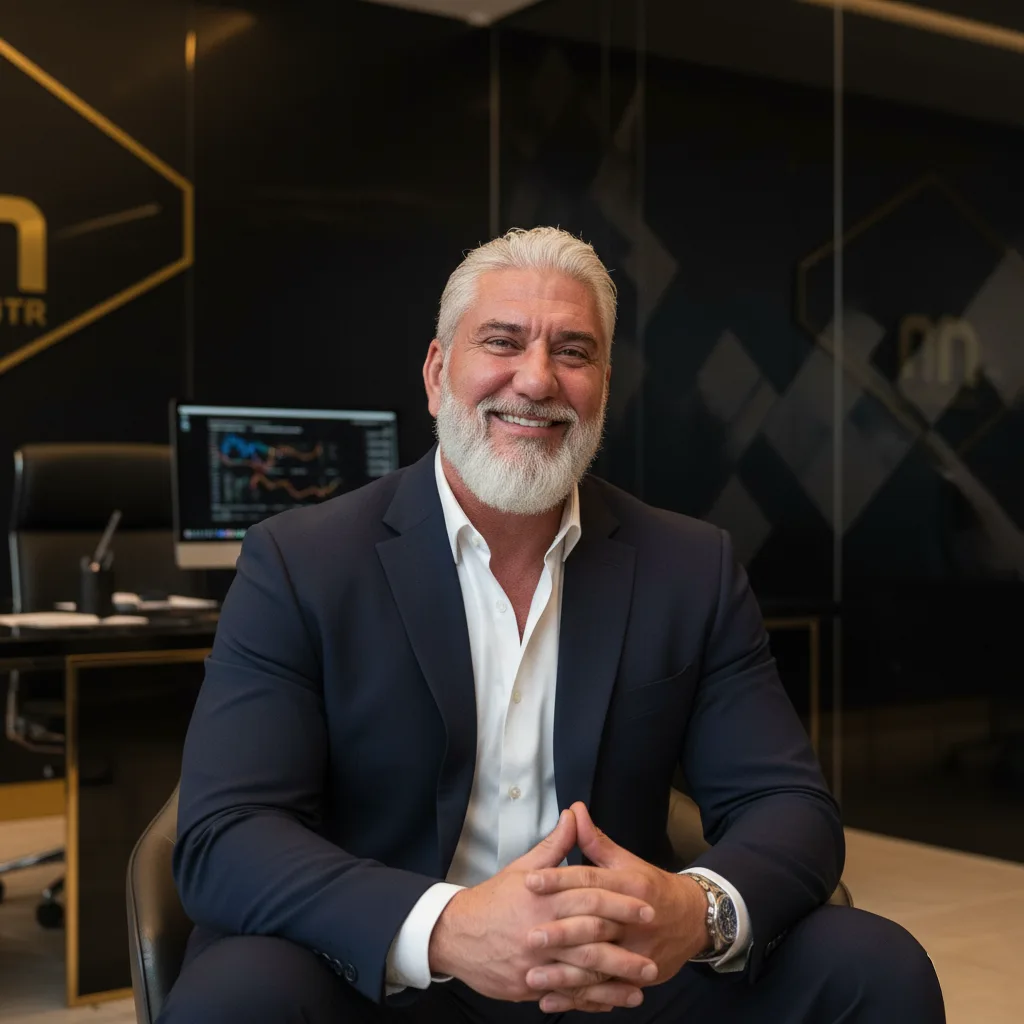
Kaan leads digital strategy at Titan Digital UAE, working with SME and enterprise businesses across Dubai, Abu Dhabi, and the Northern Emirates. He has been running Titan Digital since 2008 across Canada, USA, Hong Kong, and the UAE.